
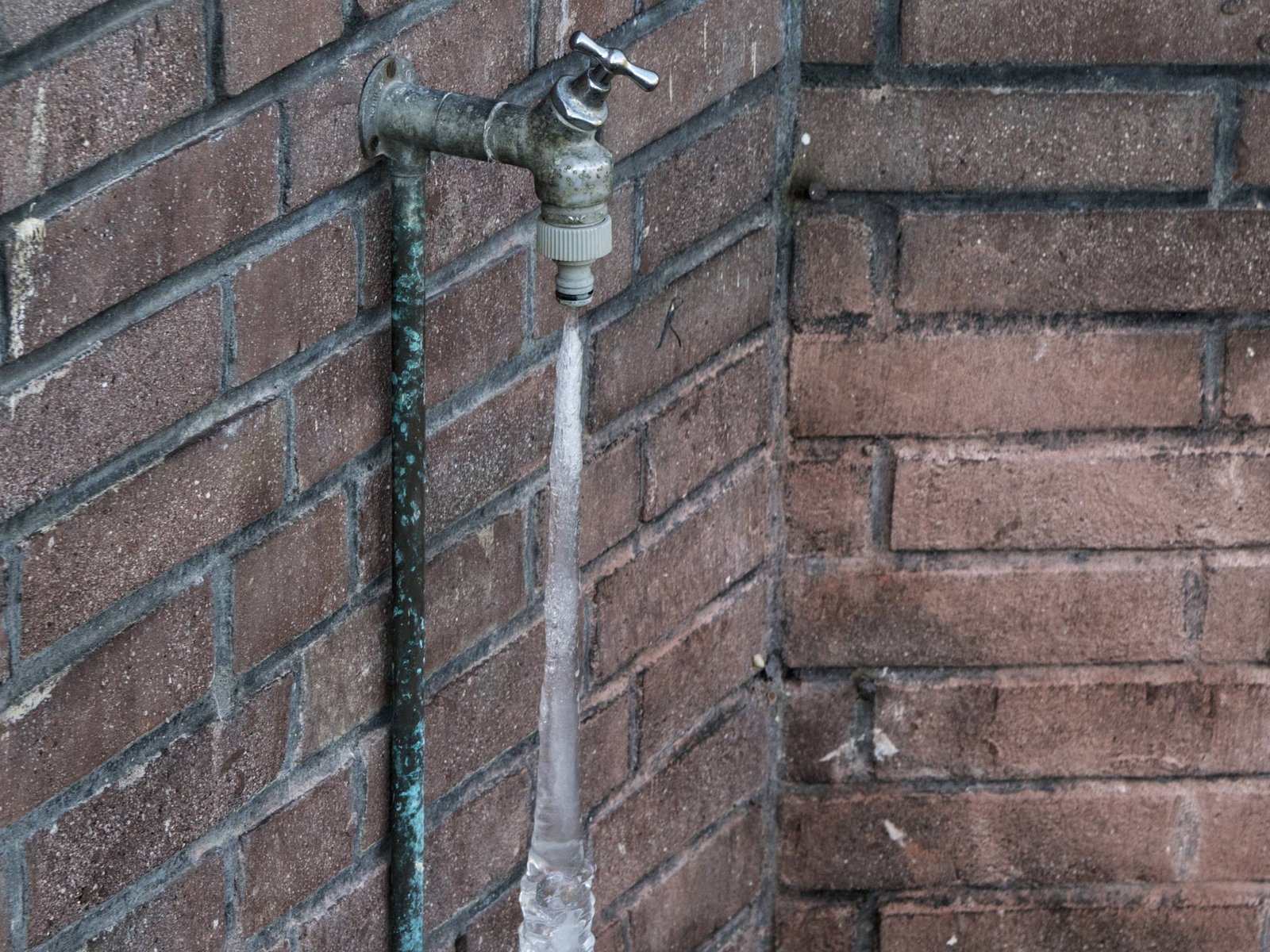
The season’s first Freeze Warning came and went on Oct. 17. Here is how to keep your pipes from freezing in Omaha this winter, and exactly what to do if one bursts.
I’m Lacory Gordon, a REALTOR with Revel Realty serving Douglas, Sarpy, Washington, and Cass counties. A burst pipe is one of the costliest surprises I see, and most are preventable. Everything below comes from M.U.D., the American Red Cross, insurance regulators, and Nebraska law, checked Oct. 29, 2026.
Key takeaways
- Disconnect and drain hoses now. One hard overnight freeze can burst a faucet or its pipe (M.U.D.).
- Find your main shutoff valve and stop box before winter.
- Traveling? Keep the heat at 55 degrees or higher (Red Cross).
- Burst pipe with water running? Call M.U.D.’s 24/7 emergency line at 402-554-7777.
- Insurance often covers sudden burst pipe damage, but not neglect.
Why now, while it is still mild
A Freeze Warning covered the metro until 9 a.m. on Oct. 17, with some spots forecast to dip into the 20s. Now the National Weather Service forecast shows Omaha highs in the 60s and lows from the upper 40s to the mid 50s through Nov. 4. That is your window. The basement is a lot easier to deal with on a 65 degree afternoon.
Which pipes freeze first
The American Red Cross says the pipes that freeze most often are:
- Pipes exposed to severe cold: outdoor hose bibs, pool supply lines, and sprinkler lines.
- Pipes in unheated spaces: basements, crawl spaces, attics, garages, and kitchen cabinets.
- Pipes on exterior walls with little or no insulation.
I point out the same spots on winter showings.
Hose bibs and outdoor faucets
M.U.D. puts it simply: disconnect and drain outdoor hoses. Detaching the hose lets the water drain out of the pipe, and M.U.D. warns that a single hard overnight freeze can burst the faucet or the pipe it is connected to.
The Red Cross adds a step many people skip: close the inside valve that feeds the outdoor faucet, open the outside faucet to drain it, and leave it open for the winter so leftover water can expand. My fall home maintenance checklist covers sprinkler blowouts.
Find your water shutoff before you need it
This is the most useful thing you can do this week. A water utility group in Oregon explains that the main shutoff is usually in the basement, garage, or crawl space, or outside near the foundation. Turn a round wheel valve clockwise until snug; turn a lever valve until it sits crosswise to the pipe. Show everyone in the house.
Per M.U.D.’s 2026 customer brochure, there is also a stop box, usually between the back of the curb and your property line, and the homeowner must keep it accessible and working. You also own the water service line from the house to the main, and repairs need a master plumber licensed by your city plus a permit from M.U.D.
Heat settings, at home and away
The Red Cross suggests the same thermostat setting day and night during cold weather. The bill may run a little higher, but it beats a burst pipe. If you leave town, keep the heat no lower than 55 degrees.
M.U.D.’s 2026 brochure adds: keep the furnace at its normal setting, have someone briefly run all the faucets daily, and turn off the water at the stop box. To be completely safe, drain the pipes, toilets, and water lines.
On frigid nights, M.U.D. says let heat circulate around pipes on outside walls and in cabinets, and fill cracks near meters and pipes. Open the sink cabinets, and where freeze-ups have happened before, let a slow trickle run. As M.U.D.’s field service director told KETV in January, running water is very difficult to freeze. The Red Cross also suggests pipe sleeves or UL-listed heat tape on exposed pipes, and keeping the garage door closed if water lines run through it.
If a pipe freezes
If only a trickle comes out of a faucet, the Red Cross says suspect a frozen pipe, often on an exterior wall or where the line enters through the foundation. Keep the faucet open and warm the pipe with a hair dryer, heating pad, a space heater kept clear of anything flammable, or hot towels. Never use a blowtorch or any open flame. Check your other faucets too. If you cannot find or reach the frozen section, call a licensed plumber.
If a pipe bursts: what to do first
- Shut off the water at your main valve. If water is running and you cannot stop it, call M.U.D.’s 24/7 emergency line at 402-554-7777. M.U.D. told KETV crews will come out and try to shut it off.
- Drain the lines. Open the faucets and flush the toilets to relieve pressure, per the Oregon utility group’s guidance.
- Document it with photos before cleanup. The Insurance Information Institute says keep damaged items until an adjuster sees them, and keep receipts if you have to stay elsewhere.
- Call a plumber, then your insurer.
Homeowners insurance basics on burst pipes
The National Association of Insurance Commissioners says homeowners policies cover a sudden and accidental discharge from plumbing, and often cover burst pipe damage if you took reasonable steps to prevent freezing. Policies generally require a minimum temperature, or the water shut off in a vacant home. If the insurer decides you neglected the plumbing, it may not be covered.
The Insurance Information Institute lists freezing of plumbing among the 16 perils on a standard HO-3 policy, and notes standard policies do not cover flooding or poor maintenance (see my Omaha flooding guide). If a claim seems unfair, the Nebraska Department of Insurance takes complaints at 877-564-7323 (toll-free in Nebraska) or 402-471-0888. It can review how the claim was handled but cannot order the company to pay.
Renters and landlords
Under Neb. Rev. Stat. 76-1419, the landlord must keep plumbing and heating in good working order and supply running water and reasonable heat (a single-family lease can shift some duties to the tenant in writing). Under 76-1421, the tenant must use the plumbing and heat reasonably and not negligently damage the home.
Tenants, report heat problems right away and do not shut the heat off when you travel. Landlords, show tenants the shutoff and winterize vacant units. And the landlord’s policy will not replace a renter’s belongings; a renters policy does. Weighing your own place? See my renting vs buying breakdown.
Selling or buying this winter
If you are listing over the holidays or moving out early, a vacant house is the riskiest one. Keep the heat on and have someone check it. Buyers, my winter buying guide covers what cold weather reveals about a house. Run every faucet and look under sinks on outside walls.
FAQ
How do I keep my pipes from freezing in Omaha?
Disconnect and drain outdoor hoses, insulate pipes in unheated spots, and keep the thermostat steady day and night. On very cold nights, open sink cabinets on outside walls and let a faucet on exposed pipes drip (M.U.D. and the American Red Cross).
What temperature should I leave my house at when I travel in winter?
The American Red Cross says no lower than 55 degrees. M.U.D. says keep the furnace at its normal setting, have someone run the faucets daily, and turn the water off at the stop box.
Who do I call if a pipe bursts in Omaha?
If water is running in your house, call M.U.D.’s 24/7 emergency line at 402-554-7777. Then call a plumber and your insurance company.
Does homeowners insurance cover a burst pipe?
Often, yes, if the damage was sudden and accidental and you took reasonable steps to prevent freezing. The NAIC says policies generally require a minimum temperature, or the water shut off in a vacant home.
Is the landlord or the tenant responsible for frozen pipes?
Nebraska law makes the landlord keep plumbing and heating working and supply running water and reasonable heat. Tenants must use them reasonably and not negligently damage the home. Check your lease too.
How do I thaw a frozen pipe safely?
Keep the faucet open and warm the pipe with a hair dryer, heating pad, or hot towels. Never use an open flame. If you cannot find or reach the frozen spot, call a licensed plumber.
General information only, not plumbing, legal, or insurance advice. Policies and leases differ. Checked Oct. 29, 2026.
Want a second set of eyes on your home before winter?
Selling, buying, or just want to know what to watch for? I will walk through it with you anywhere in Douglas, Sarpy, Washington, or Cass County. Call or text 402-297-6625 or email lacoryg@revelne.com. You can also reach me on my contact page.
Lacory Gordon, REALTOR
Revel Realty
1313 Harlan Dr, Bellevue, NE 68005