
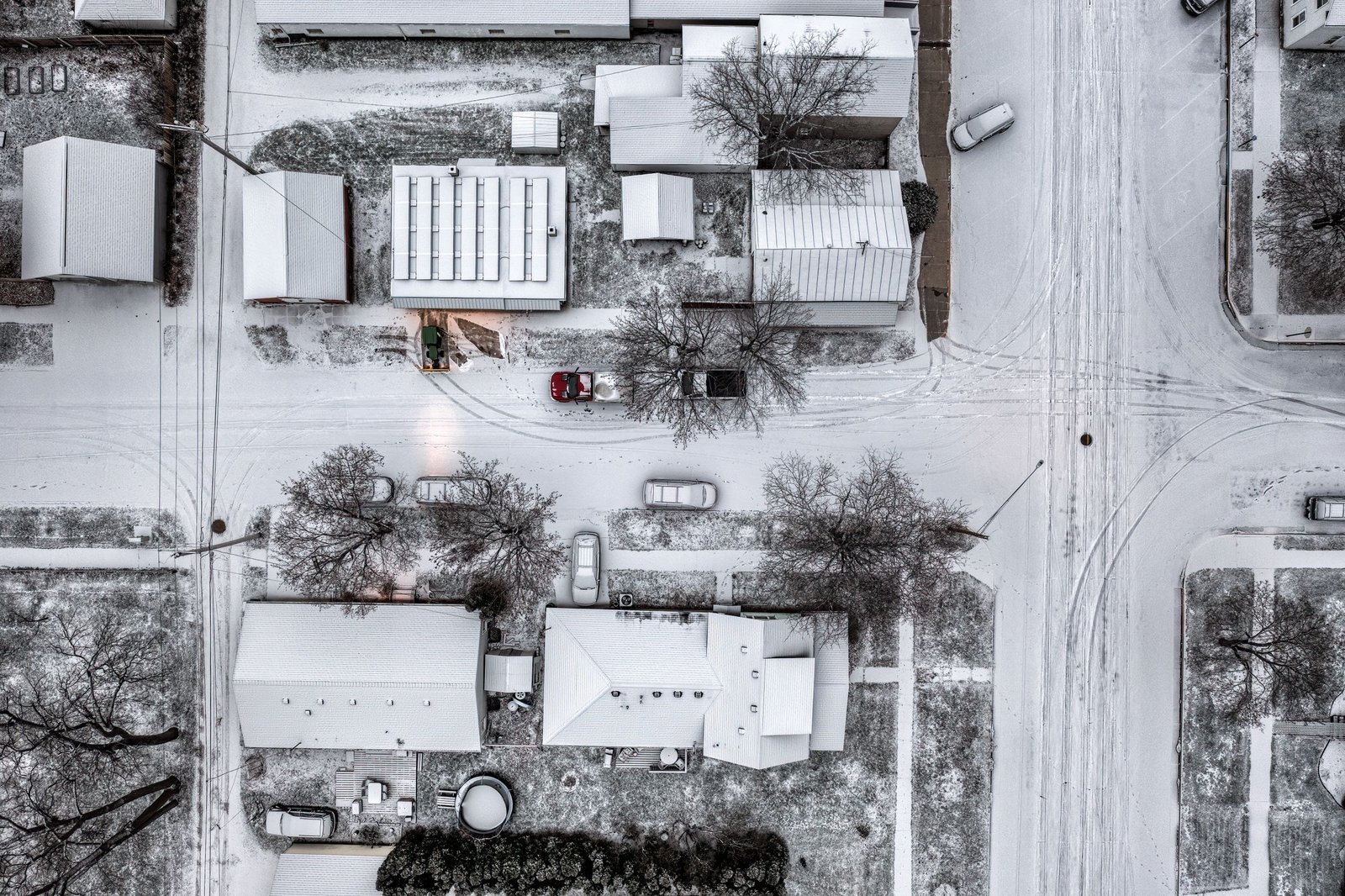
Most people in the Omaha metro wait for spring to start house hunting. Warmer weather is nicer for open houses, and yards look their best. Winter gets a bad reputation for short daylight, cold showings, and snow on the walk. Those hurdles are real. They also thin out the casual lookers, which is why buying a home in Omaha in winter can be a smart move if you are financed, flexible, and willing to inspect carefully in the cold.
I’m Lacory Gordon, a REALTOR with Revel Realty in Bellevue. I work Douglas, Sarpy, Washington, and Cass counties year-round. Here is what the data and the practical side both say, checked on Oct. 11, 2026.
Key takeaways
- Nationally, January has historically been the slowest month for existing-home sales, with fewer competing buyers and seasonally softer pricing on average.
- In Omaha, Redfin’s January 2026 snapshot showed a median of 44 days on market and a 98.9% sale-to-list ratio, a cooler pace than Omaha’s 2025 average.
- Omaha’s typical first fall freeze is around Oct. 21, and Eppley Airfield’s 1991 to 2020 snowfall normal is about 27.1 inches a year.
- Use cold weather to your advantage: test the furnace, watch for ice dams, and recheck exteriors after melt.
- First-time and military buyers still have tools in winter, including NIFA programs and VA loans near Offutt.
Why winter buying can favor Omaha buyers
Seasonality shows up clearly in national numbers. In a January 2026 market note from the National Association of REALTORS, economist Chris Lux found January existing-home sales average about 27.2% below December, making January the lowest-sales month of the year. The same piece notes a typical seasonal price drop of about 3.6% in January, and that buyers who can move in winter often face fewer competing offers.
Freddie Mac’s My Home guidance makes the same case: fewer shoppers on the road, sellers who listed in the off-season are often more motivated, and cold weather can show how a house actually performs. Winter is inconvenient. It is also honest.
What Omaha winter market numbers looked like recently
Omaha does not shut down in winter. It does slow. A Redfin analysis distributed by Stacker for January 2026 put Omaha’s median days on market at 44 that month, with a median sale price of $323,769 and an average sale-to-list ratio of 98.9%. Nationwide that snapshot showed a median of 66 days on market, so Omaha still moved faster than the country overall, just not at peak-season speed.
For context, Redfin’s 2025 Omaha year review (January through November averages) showed about 28.2 days on market and a median sale price near $318,953. The takeaway is not that every winter listing is a bargain. It is that you may get more time to keep your inspection and negotiate.
NAR’s February 2026 Confidence Index write-up also noted that first-time buyers often do better in winter because school-driven summer movers step back. In that update, only 12% of buyers waived the inspection contingency, a new low in NAR’s dataset since April 2021. That matters here. You want the furnace tested, not waived.
What Omaha winters look like for buyers
Plan around climate normals. Based on NOAA’s 1991 to 2020 normals for Omaha Eppley Airfield, the median first fall freeze is around October 21. Monthly snowfall normals at that station add up to about 27.1 inches a year, with January and February the snowiest months (about 7.2 and 7.8 inches). Station details are on NOAA’s Eppley Airfield page. Build extra buffer into tour days, wear boots, and ask listing agents to clear the sidewalk and leave exterior lights on.
Winter inspection tips that matter in Nebraska
Snow and cold change what you can see. Here is what I ask buyers to prioritize:
- Furnace and HVAC under load. Have the heat running. Ask about age, last service, and whether rooms heat evenly.
- Attic insulation and ice dams. InterNACHI explains that ice dams form when heat escaping into the attic melts snow on the upper roof, then water refreezes at the colder eaves. Look for ice at the roof edge and stained ceilings near exterior walls.
- Roof and exterior from the ground. Snow can hide missing shingles. Photograph what you can see, then plan a follow-up after a melt if needed. Do not climb an icy roof.
- Basement moisture and snowmelt drainage. Watch where water leaves the roof and yard. Downspouts that dump next to the foundation show up fast when snow melts.
- Foundation and driveway after thaw. Cracks are easier to judge when snowbanks are gone. If you are under contract in deep snow, write a reasonable re-inspection window for exterior items.
If you are buying in the fall shoulder season, pair this with my Omaha fall home maintenance checklist. Sellers who already finished furnace service and exterior shut-down work are usually easier to live with.
Neighborhood angles for winter buyers
I will not invent winter inventory counts by suburb. Here is how winter buying tends to feel on the ground:
- Bellevue and Papillion: Practical for Offutt and eastern Sarpy County. Winter buyers here are often on a PCS or lease timeline. VA shoppers can start with my Offutt AFB VA loan guide.
- Elkhorn and Gretna: West-metro growth corridors with many attached garages and newer mechanicals, which make cold-weather tours smoother.
- Midtown, Dundee, and older central Omaha: Character homes where winter is a fair test for draftiness, older furnaces, and roof performance.
- Washington and Cass County edges: Fewer buyers out in the weather and more reason to batch tours on the clearest daylight you can get.
How to run a winter purchase
- Get fully preapproved before you tour.
- Tour in daylight when you can, and do a second visit after dark.
- Keep your inspection contingency. National data shows fewer buyers are waiving it now.
- Ask for credits or repairs based on what the cold reveals, not just cosmetics.
- If you are a first-time buyer, check whether Nebraska NIFA down payment programs fit before you fall for a home above the price cap.
Closing in winter also means coordinating movers around storms and confirming heat stays on between possession dates.
FAQ
Is winter really a good time to buy a home in Omaha?
Often yes, if you can tour in cold weather and close on a flexible timeline. Nationally, January usually has the fewest existing-home sales of the year, which can mean less competition. In Omaha, Redfin data for January 2026 showed homes taking longer to go under contract than they did across 2025 on average.
Will I get a cheaper price if I buy in winter?
Not automatically. NAR’s seasonal patterns show January prices nationally tend to soften by about 3.6% versus typical peak months. That is a national average, not a guarantee for any Omaha listing. Condition, days on market, and sale-to-list ratio matter more than the calendar alone.
What should I watch for on a winter inspection?
Focus on the furnace under load, attic insulation and ventilation, ice dams at the eaves, basement moisture after melt, and foundation drainage. Snow can hide roof and exterior issues, so plan a second look once melt allows if anything is unclear.
Does snow make a home harder to evaluate?
It can hide roof wear and some exterior cracks. It can also reveal how the home handles cold: uneven heat, ice along eaves, and wet basements after melt. Treat snow as both a limitation and a diagnostic tool.
Which metro areas fit winter buyers?
Bellevue and Papillion stay practical for Offutt and Sarpy County. Elkhorn and Gretna suit buyers who want newer west-metro stock. Midtown and Dundee draw people who want older character closer to central Omaha. Stay flexible on street and finish level.
Should first-time buyers wait for spring?
Not if your financing is ready. NAR notes first-time buyers often do better in winter because fewer school-driven buyers are competing. Pair that with Nebraska NIFA programs if you need down payment help.
General information only, not lending, legal, or inspection advice. Market figures come from NAR, Freddie Mac, Redfin (via Stacker), and NOAA sources checked Oct. 11, 2026, and they can change. Every home and neighborhood is different. A licensed inspector and your lender make the final call on condition and financing.
Ready to buy this winter?
If you want a clear plan for touring, inspecting, and writing a strong winter offer in Omaha, Bellevue, Papillion, or anywhere in the metro, call or text me at 402-297-6625 or email lacoryg@revelne.com. You can also start on my buyer page.
Lacory Gordon, REALTOR
Revel Realty
1313 Harlan Dr, Bellevue, NE 68005