
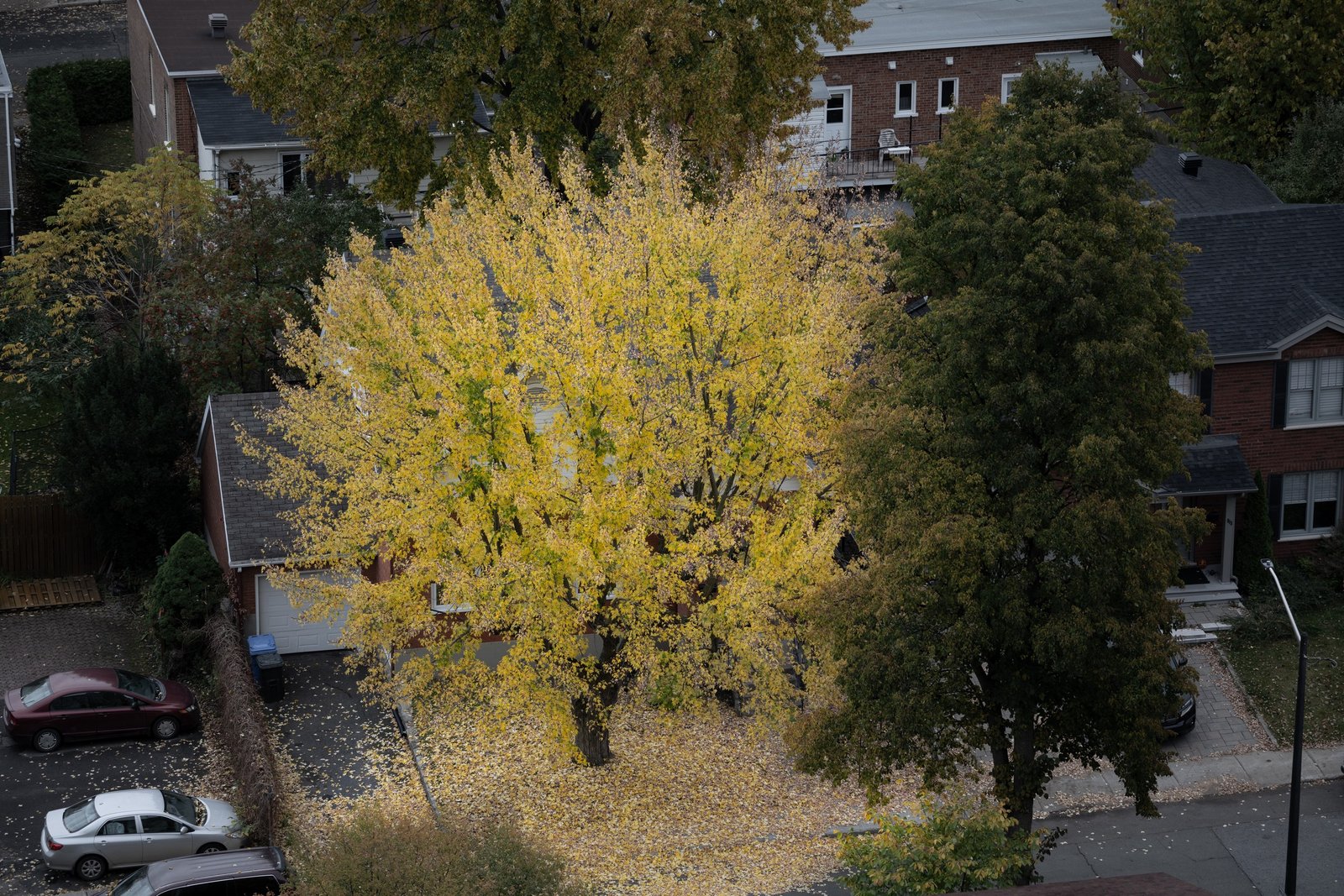
A practical fall home maintenance checklist Omaha homeowners can run in October covers gutters and roof, furnace and vents, sump pump and drainage, sprinkler blowout, caulk and weatherstripping, smoke and CO alarms, and overhead limbs. Tips below come from Ready.gov, FEMA, CDC, M.U.D., ENERGY STAR, NFPA, and CPSC. Hire licensed pros for roof, HVAC, gas, and electrical work, and confirm local rules with the city or county.
I’m Lacory Gordon, a REALTOR with Revel Realty in Bellevue. Between fall weekends (pumpkin patches, parks, and events) and the recent heavy rain, this is the list I hand neighbors before the first hard freeze.
Key takeaways
- Clear gutters and downspouts, then check the roof from the ground for missing or damaged shingles (Ready.gov / FEMA).
- Have a qualified tech service the heating system, change filters, and keep vents clear of snow and ice (M.U.D. and CDC).
- Test the sump pump, check valves, and yard drainage after the Sept. 30 to Oct. 1 storms (flooding guide).
- Blow out irrigation before a hard freeze, seal drafts, test smoke and CO alarms, and clear limbs over the house.
Why clear gutters and check the roof in fall?
Clogged gutters push water toward the foundation and under shingles when ice forms. Ready.gov and FEMA say to clear rain gutters, repair roof leaks, and make sure the roof can handle snow and ice. CDC adds the same roof-repair step before winter storms.
Scoop leaves after leaf drop, then check again before the first freeze. Confirm downspouts dump water away from the foundation. Nebraska Extension stormwater guidance favors directing roof runoff onto vegetated ground when you can. Scan the roof from the ground for curled, cracked, or missing shingles and damaged flashing. Stay off a wet or steep roof. Call a licensed roofer if anything looks wrong. If you had ice dams last winter, ask about attic insulation and ventilation. For discharge onto sidewalks or alleys, check with City of Omaha Public Works, Bellevue, or your county.
When should I service the furnace and HVAC?
Before you lean on heat every night. M.U.D. says to have the heating system serviced annually, clean or replace furnace filters monthly (or as needed), and seal leaks around doors and windows. CDC says to have the furnace and vent checked each winter by a qualified technician. OPPD points homeowners to a licensed HVAC contractor for combustion safety checks.
Book the annual inspection. Replace a dirty filter per your manual. Keep furniture off registers. Clear snow and ice from outdoor exhaust and combustion-air vents once winter starts (M.U.D.). Never heat with a gas range, oven, grill, or generator. Ready.gov: generators stay outdoors and at least 20 feet from doors, windows, and vents. If you smell gas, leave and call M.U.D. at 402-554-7777 or 911 from outside.
How should I check the sump pump and drainage after heavy rain?
The metro took a hard rain overnight Sept. 30 into Oct. 1. Even if the basement stayed dry, treat fall as pump-check season. Ready.gov flood prep: declutter drains and gutters, install check valves, and consider a sump pump with a battery backup.
Pour water into the pit and watch the pump run and shut off cleanly. Confirm the outdoor discharge is clear and aims away from the foundation. Look for a check valve so water does not drain back into the pit. If power flickered in the last storm, ask a plumber about battery backup. Keep soil sloping away from the house. For flood maps and disclosure questions, see my Omaha flooding guide for homeowners, buyers, and renters.
Should I blow out the sprinkler system before the freeze?
Yes, if you have underground irrigation. Nebraska Extension has long advised draining residential sprinkler systems in fall so ice does not crack pipes and valves. Shut off the interior supply, relieve pressure, open vacuum-breaker petcocks, and cycle each zone so water can leave the low heads. Many homeowners hire a pro for a compressed-air blowout. Follow manufacturer pressure limits and stay clear of heads while air is moving. Disconnect hoses, shut off and drain outdoor faucets, and store hoses indoors. Leaving a hose connected is a common way to split a hose bib. Ask local irrigation companies for timing and cost, and watch the forecast.
What about caulking, weatherstripping, smoke alarms, and CO detectors?
Ready.gov winter prep starts with insulation, caulking, and weatherstripping. ENERGY STAR uses caulk on stationary gaps (about 1/4 inch or less) and weatherstripping on doors and operable windows. Feel for drafts at exterior doors, window sashes, attic hatches, and pipe penetrations.
Pair the fall clock change with a safety check. CPSC and NFPA push testing smoke and CO alarms when clocks change. CPSC: smoke alarms on every level, inside bedrooms, and outside sleeping areas. CO alarms on each level and outside sleeping areas. Replace batteries at least yearly unless you have sealed 10-year units. Replace smoke alarms older than 10 years. Test monthly.
Do I need to trim trees and limbs before winter?
CDC and Ready.gov say to cut away branches that could fall on the house or a neighboring structure. After leaf drop you can see dead wood and limbs over the roof or power lines. Hire a certified arborist for large limbs or work near lines. Call 811 before you dig. For limbs near OPPD lines, check OPPD guidance or report a hazard rather than DIY near energized wires. Boulevard tree rules differ by city, so ask Bellevue, Omaha, or your HOA when needed.
FAQ
What is on a fall home maintenance checklist for Omaha?
Gutters and downspouts, roof scan, furnace and vent service, sump pump and drainage test, sprinkler blowout, caulk and weatherstripping, smoke and CO alarm test, and limb clearance.
When should Omaha homeowners blow out sprinklers?
Before a hard freeze. Nebraska Extension recommends draining or blowing out underground systems in fall. Many metro homeowners schedule pros in October. Watch the forecast.
How often should I change furnace filters in fall and winter?
M.U.D. says clean or replace filters once a month or as needed during heating season. Follow your owner’s manual for high-efficiency filters.
Do I need a battery backup on my sump pump?
Ready.gov says to consider a sump pump with a battery backup, plus check valves. Power often fails in the same storms that fill the pit.
When should I change smoke and CO alarm batteries?
At least once a year for replaceable batteries, often when clocks fall back. CPSC and NFPA support that habit. Sealed 10-year alarms need unit replacement at end-of-life, not annual battery swaps.
This post is general homeowner information from public safety and utility sources. It is not contractor, engineering, legal, or insurance advice. Hire licensed pros for heating, gas, electrical, roofing, and major drainage work, and confirm local rules with the city or county.
I’m here if you want a second set of eyes
If fall prep has you thinking about what to fix before you list, or what a buyer will notice on a November walkthrough, I am glad to talk it through. Call or text me at 402-297-6625 or email lacoryg@revelne.com.
Lacory Gordon, REALTOR
Revel Realty
1313 Harlan Dr, Bellevue, NE 68005